Online dating is now the most popular way for US couples to meet, study finds - Fox News
Online dating is now the most popular way for US couples to meet, study finds - Fox News |
- Online dating is now the most popular way for US couples to meet, study finds - Fox News
- Can Using Online Dating Apps Be Addictive? - Psychology Today
- Four Sins of Online Dating - Black Star News
| Online dating is now the most popular way for US couples to meet, study finds - Fox News Posted: 22 Aug 2019 05:42 AM PDT  Bizarre dating trends to watch out forJanuary is the most popular time to meet singles, according to Tinder. And a new year means a slew of new dating trends to be wary of before jumping back on the market. Online dating has become the most popular way for U.S. couples to meet, and has replaced more traditional ways of finding love, new research shows. Turning to social media or dating apps like Tinder appear to be more common than ever, suggests a study published by Stanford sociologist Michael Rosenfeld. The study, published this week, is based on a 2017 national survey of American adults that found that 39 percent of heterosexual couples reported meeting their partner online, compared to 22 percent in 2009. 'DOGFISHING' TREND IS DUPING SINGLES ON DATING APPS Rosenfeld, who has studied mating and dating for two decades, says the rise in online dating has not only become more popular, but has outpaced traditional methods of meeting a significant other such as through family or friends. In fact, he says, meeting a partner through a third person has continued to decline over the years. "People trust the new dating technology more and more, and the stigma of meeting online seems to have worn off," Rosenfeld told the Stanford News Service. "In 2009, when I last researched how people find their significant others, most people were still using a friend as an intermediary to meet their partners," he said. "Back then, if people used online websites, they still turned to friends for help setting up their profile page. Friends also helped screen potential romantic interests." WOMAN BREAKS UP WITH 'TOXIC' BOYFRIEND WHO DEMANDED SHE FOLLOW 12 STRICT RULES: 'WHAT A PSYCHOPATH' Rosenfeld says that the role of friends in dating is something he thought would never be displaced, but it appears it has. "That's an important development in people's relationship with technology," he said. Some theories about online dating's growth in popularity may be attributed to a few factors, including the prevalence of smartphones and the array of options of potential partners to choose from. "The rise of the smartphone took Internet dating off the desktop and put it in everyone's pocket, all the time," Rosenfeld points out. "Also, the online dating systems have much larger pools of potential partners compared to the number of people your mother knows, or the number of people your best friend knows. Dating websites have enormous advantages of scale." CLICK HERE TO GET THE FOX NEWS APP And for skeptics who may still see online dating as taboo, Rosenfeld says the success of a relationship does not depend on whether couples meet online or not. "Ultimately, it doesn't matter how you met your significant other," he said. "The relationship takes a life of its own after the initial meeting."  |
| Can Using Online Dating Apps Be Addictive? - Psychology Today Posted: 21 Aug 2019 02:22 PM PDT 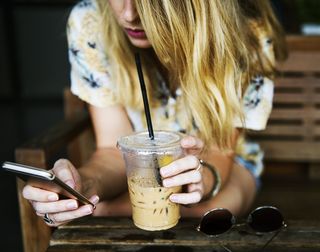 Source: rawpixel via pixabay | CC0 license While online dating sites have been around since the 1990s, mobile dating apps are a more recent phenomenon, with Tinder leading the charge in 2012. Tinder is hugely popular – it currently has 57 million users worldwide, recording 1.6 billion swipes per day. Researchers have been quick to respond to this trend, exploring people's motivations for using Tinder, how people manage the impressions they make on other users, and how Tinder's unique features meet daters' needs. In a study just published in the Journal of Social and Personal Relationships, Kathryn Coduto and colleagues examined problematic, compulsive use of dating apps, and whether socially anxious or lonely people are especially prone to compulsive use. What's So Special About Tinder? For those of you who aren't familiar with mobile dating apps, here's how Tinder works: Users download the app on their smartphone and complete a short bio and add photos. The app then matches them with local singles who are in their immediate geographic area by using GPS technology on users' phones. Users can view a whole series of photos, swiping right if they like what they see and swiping left if they don't. If both parties swipe right, it's a match, and they have the ability to initiate further contact. Online dating has a number of benefits, as well as drawbacks. As I detailed in an earlier post, online dating can introduce us to a wide range of people and remove some of the ambiguity of face-to-face situations because you know everyone on the site is single and looking. Online dating can also be a more comfortable way to meet people for those who are shy or socially anxious. On the other hand, online dating can overwhelm people with too many options and create pressure to turn relationships romantic quickly. Online profiles also provide only curated and superficial information about people and put too much emphasis on physical appearance. They could also potentially become a crutch that prevents singles from searching for dates offline. Tinder has many of these same costs and benefits, but it also has several important differences. Lik Sam Chan has described how Tinder differs from traditional online dating sites in a number of ways that could lead to compulsive use of the app:
Who Is Most Likely to Use Tinder Compulsively? Coduto and colleagues wanted to explore who is most at risk of using Tinder compulsively. Past research has shown that people who are socially anxious often feel safer and more comfortable interacting online, where they have more control over the interaction. Lonely individuals may also use online interactions to compensate for a lack of social connection offline. While that, in and of itself, is not necessarily a problem, these individuals might be especially prone to use online interaction compulsively. When someone is using technology compulsively that means that it's really interfering with their daily functioning, such as in school, work, or social relationships. Those whose social anxiety or loneliness causes them to gravitate toward the relative safety of Tinder may be at greater risk of succumbing to its addictive qualities. The Study In their research, Coduto and colleagues surveyed 269 undergraduate students who had experience using dating apps. Respondents completed questionnaires assessing social anxiety and loneliness. They also report on their use of these apps. Specifically, the researchers assessed three elements of app use:
Consistent with past research on social anxiety and online interactions, participants high in social anxiety indicated that they had a greater preference for using dating apps. Those who are often uncomfortable in traditional face-to-face dating contexts felt more at ease interacting with potential dates from behind their smartphone screen. However, socially anxious people were not significantly more likely to engage in compulsive use of dating apps. The results for loneliness were more complicated. Loneliness wasn't necessarily associated with compulsive use of dating apps, but the combination of high levels of loneliness and a strong preference for interacting via dating apps predicted problematic use. Essentially, lonely people who also felt more comfortable on the apps were particularly prone to compulsive use. Taken together, this research shows that Tinder has some addictive qualities – but like anything with addictive qualities, some people are more seduced by them than others. And lonely people in particular, if they find it easier to interact via these apps, may be most at risk of abusing them.  |
| Four Sins of Online Dating - Black Star News Posted: 22 Aug 2019 08:48 AM PDT The Internet has made dating accessible to everyone whenever and wherever they are. You can swipe through the candidate's profiles during your morning commute, and reply to romantic messages while on lunch break. Wherever you go, your smartphone and dating apps remain with you. However, the wide choice delivered by technology has its downsides. The Net is the most common space where couples meet. Sites like Ladadate — russian brides allow you to connect to Slavic beauties dreaming of a genuine relationship. However, the abundance of dating apps often makes their users indifferent to the feelings of others. It seems that new terms for such shameful behavioral patterns keep emerging all the time. Here are four of them. 1. Benching If you are playing baseball, keeping someone on the bench is an acceptable strategy. In dating, however, this is hardly excusable. This happens when, knowing you will never commit to a particular person, you keep them on hold, rather than dismiss. Meanwhile, you feel perfectly comfortable playing the field and dating several candidates at the same time. The trend is often explained as a byproduct of the modern swiping culture: dating apps supply so many candidates that choosing a partner feels like online shopping — another option is a swipe away. Psychologists have tried to justify the phenomenon, seeing it as a way to understand what a person is really looking for. However, for any victim appreciating monogamous dating, the emotional effects are crushing. 2. Slow-fade This is simply cowardly behavior in a romantic prospect when someone gradually ceases to communicate with you, sometimes after weeks of dating. Considered offensive and even insulting, it is viewed even more negatively than ghosting. After all, the victim is left with the illusory hope of the person resuming communication. Why do people act this way? On the one hand, it allows them to avoid unpleasant and difficult conversations. On the other hand, the guilt of ghosting is mitigated. Another human flaw explained by the consequences of swiping, it nevertheless questions the morality and empathy of the slow fader. 3. Firedooring As you probably know, fire doors can only be opened from one side. Therefore, the term firedooring in dating is applied situations when only one of the parties invests in a relationship, receiving nothing in return. For example, when you are head over heels in love, but your partner only opens your texts without replying, it is a bad sign. He/she may treat you well when you are together, but if you meet in public by chance, they act cold and distant. 4. Breadcrumbing In essence, this involves sporadically expressing romantic interest just to vanish and reappear later. The person may be sending flirtatious texts, but conversations never result in a date. Meanwhile, the victim could be hoping for a relationship. Why is it happening this way? It gives an easily achievable ego boost. There is no real effort invested, while your reaction makes the breadcrumber feel desired. Hardly a commendable tactic.  |
| You are subscribed to email updates from "online dating" - Google News. To stop receiving these emails, you may unsubscribe now. | Email delivery powered by Google |
| Google, 1600 Amphitheatre Parkway, Mountain View, CA 94043, United States | |


Comments
Post a Comment